Beryl Cook: Pride and Joy - Centenary exhibition repositions Britain's most popular painter as radical voice of 20th century British life
17 December 2025
100 years after her birth, Beryl Cook (1926-2008) once named Britain's most popular painter is finally receiving the serious artistic recognition that eluded her during her lifetime. The Box’s landmark exhibition, 'Beryl Cook: Pride and Joy' opens on 24 January 2026 and will fundamentally reassess Cook's significance as a chronicler of everyday life during Britain's most tumultuous period of social transformation.
The exhibition, which will run until 31 May 2026, is the most extensive of her work to date. With loans from Tate, National Portrait Gallery, Glasgow Life, Government Art Collection, Glynn Vivian Art Gallery, Dulwich Picture Gallery, Holburne Museum, the Beryl Cook Estate, and private collectors, it features over 80 paintings alongside rarely seen sculptures, textiles, and unprecedented access to her personal archive of thousands of photographs, sketches, and correspondence.
It comes at a pivotal moment: 2026 marks not only Cook's centenary but also 50 years since the 1976 Sunday Times feature that launched her career following her first exhibition at Plymouth Arts Centre in 1975. Since then, her work has been exhibited continuously and internationally. She produced an estimated 500 paintings during her lifetime, many of which have become instantly recognisable through their wide commercial success.
While Cook's colourful, seemingly cheerful paintings made her beloved by millions, critics consistently dismissed her work as mere kitsch. Pride and Joy argues for a radical reassessment. Cook's subjects such as drag queens, working-class women at bingo halls, plus-size bodies celebrating their physicality, LGBTQ+ nightlife were precisely those dismissed or maligned by mainstream British society and absent from contemporary art galleries.
Beryl Cook wasn't painting caricatures. She was documenting communities and identities that were actively marginalised, and she did it with genuine affection, technical mastery, and unflinching honesty. Her work from the 1970s to 2000s captures working-class joy, body positivity, and queer culture with a sophistication that's only now being fully recognised.
Terah Walkup, Curator at The Box
The exhibition is organised into four curated sections that reposition Cook as a significant cultural chronicler:
Identity and Representation Cook had a radical approach to her subjects, painting those who were "othered" and looked down upon whether through predominant attitudes toward gender, class or sexuality through a lens of care, interest and elation, rather than being maligned or mocked. In her own self-portraiture she painted fantasy versions of herself which she notably said she would never show publicly, revealing hidden sides of her creative psyche.
Chronicles of Everyday Life Britain experienced a period of social, political and economic upheaval from the 1970s onwards, and Cook documented many working-class spaces, especially women's spaces of sociability, and behaviours of post-war reconstruction, as Britain transitioned into the consumer culture of the 1980s with unflinching observation. Her paintings and archive offer an invaluable insight into changing everyday life, especially LGBTQ+ nightlife, in Britain both in and out of the capital, documenting work, rest, and nightlife with unprecedented attention.
Process and Practice Cook’s process was meticulous as the extensive research The Box has carried out for this exhibition reveals and she actively mined media in ways that feel remarkably contemporary. She photographed news reels and local newspapers for source material and used photography as an integral part of her process and taking pictures of television screens and everyday scenes. Most importantly, she organised an extensive archive of photographs classified into categories often found in her paintings: building archives decades before this approach became a standard contemporary art practice. In this section, her rarely seen sculptures and textile work demonstrate her versatility beyond painting.
Influences and Impact Her work was inspired by a broad range of visual culture: from popular postcards by graphic artist Donald McGill to historical painters. She especially admired Stanley Spencer and Edward Burra, speaking of them often in her letters to friends Edward Lucie-Smith and Barbara Key-Seymer. This section positions Cook within art history for the first time, from her direct inspirations and references such as Tamara de Lempicka and Modigliani to historical artists with whom she shared an affinity, such as Pieter Bruegel the Elder and Peter Paul Rubens. Works by Stanley Spencer, Edward Burra, and Alfred Wallis will demonstrate her visual influences and artistic lineage.
Cook spoke often in her letters about admiring Spencer and Burra. She understood herself within art history, even if most critics wouldn’t place her there. This exhibition places her works alongside and in dialogue with the artists she admired and engaged with.
Terah Walkup, Curator at The Box
Cook moved to Plymouth in 1968, and the city became her primary subject for 40 years. The Lockyer Tavern, Tinside Lido, Plymouth streets and characters populate her most celebrated works, including iconic paintings Bingo, The Lockyer Tavern, and Back Bar of the Lockyer Tavern which document Plymouth pub life with the same attention historical painters gave to aristocratic subjects.
Plymouth wasn't incidental to Beryl's art, it was fundamental. She painted the city with the same seriousness that Sir Joshua Reynolds painted portraits. That's a radical act.
Victoria Pomery, CEO of The Box
In celebration of the exhibition, The Box is showing a small teaser display in its Active Archive gallery until 11 January. A display with highlights from Cook’s correspondence with art critics, friends, and fans, alongside archival film footage that has never been publicly shown before will be on show at the same time as Beryl Cook: Pride and Joy from 24 January-31 May 2026.
A self-guided walking tour will connect Cook's painting locations across Plymouth, while large-scale 3D figures of her characters may appear in the cityscape. KARST will also present an exhibition of contemporary British artists whose work shares Cook’s radically generous approach to representing everyday life from 24 January until 18 April. A common thread linking artists in the exhibition is that they share Beryl’s celebration of community and individuality, moments of joy and rites of passage among people too often overlooked by society and art history.
A fully illustrated book will accompany the exhibition, alongside bespoke merchandise celebrating Cook's distinctive aesthetic.
We are thrilled to be celebrating 100 years of Beryl with The Box. Plymouth had a special place in Beryl's heart having spent most of her life living there, so this feels like the rightful home for such a special exhibition.
Sophie Cook, Beryl Cook's granddaughter
A century after she was born, a reappraisal of Beryl Cook's work feels long overdue. Although loved by many, she wasn't given enough serious consideration during her lifetime, and we want to change that. This exhibition is a timely opportunity for us to fully explore her impact and highlight how skilled she was at documenting everyday life during a time of immense social change from the 1970s to the 2000s.
Victoria Pomery, CEO, The Box
Book your free tickets for Beryl Cook: Pride and Joy.
Image credits:
Beryl Cook, Window Dressers (detail).
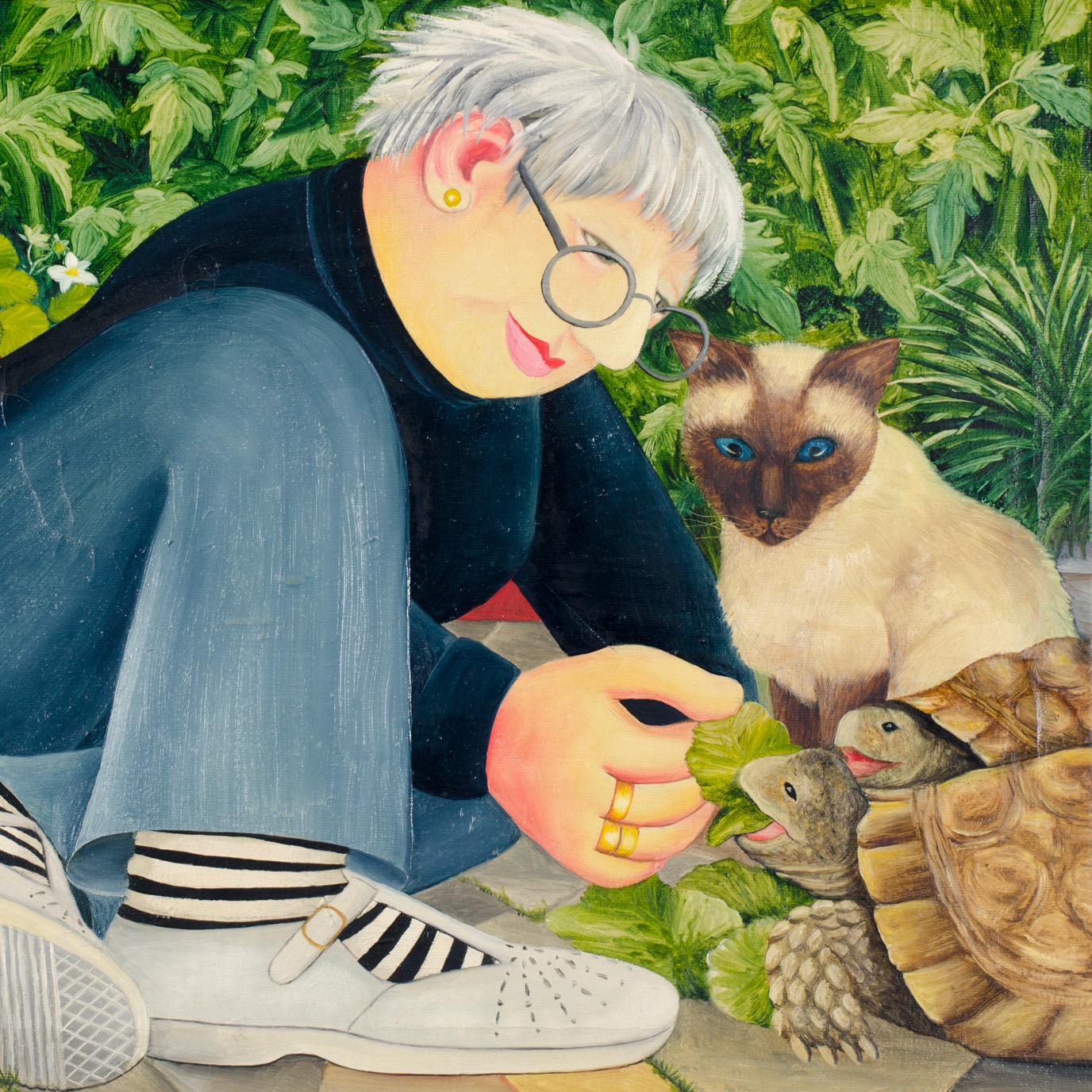
Beryl Cook, Feeding the Tortoise (detail).
Beryl Cook, Back Bar of the Lockyer Tavern (detail).
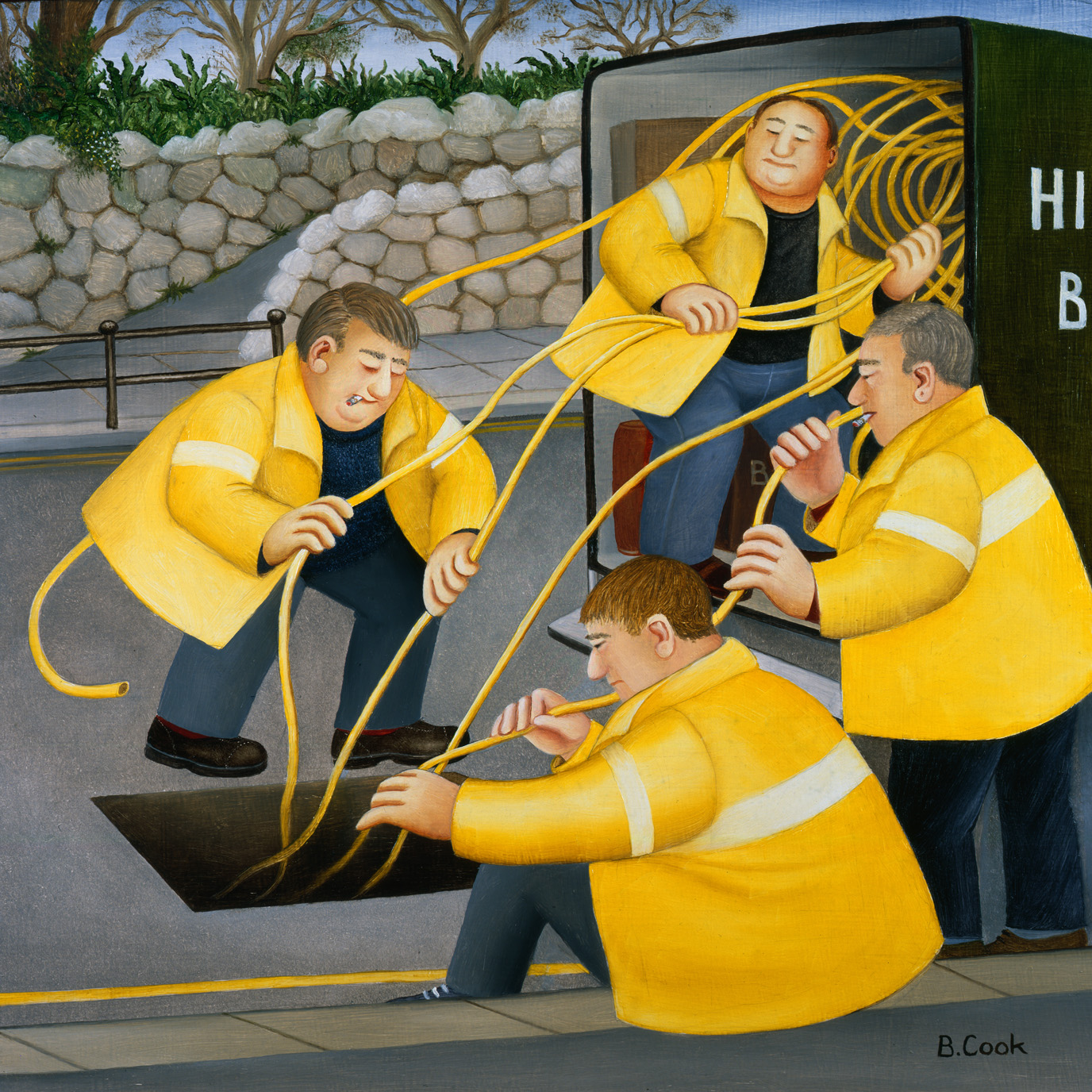
Beryl Cook, Dyno-Rod (detail).
All images courtesy of www.ourberylcook.com © John Cook 2025